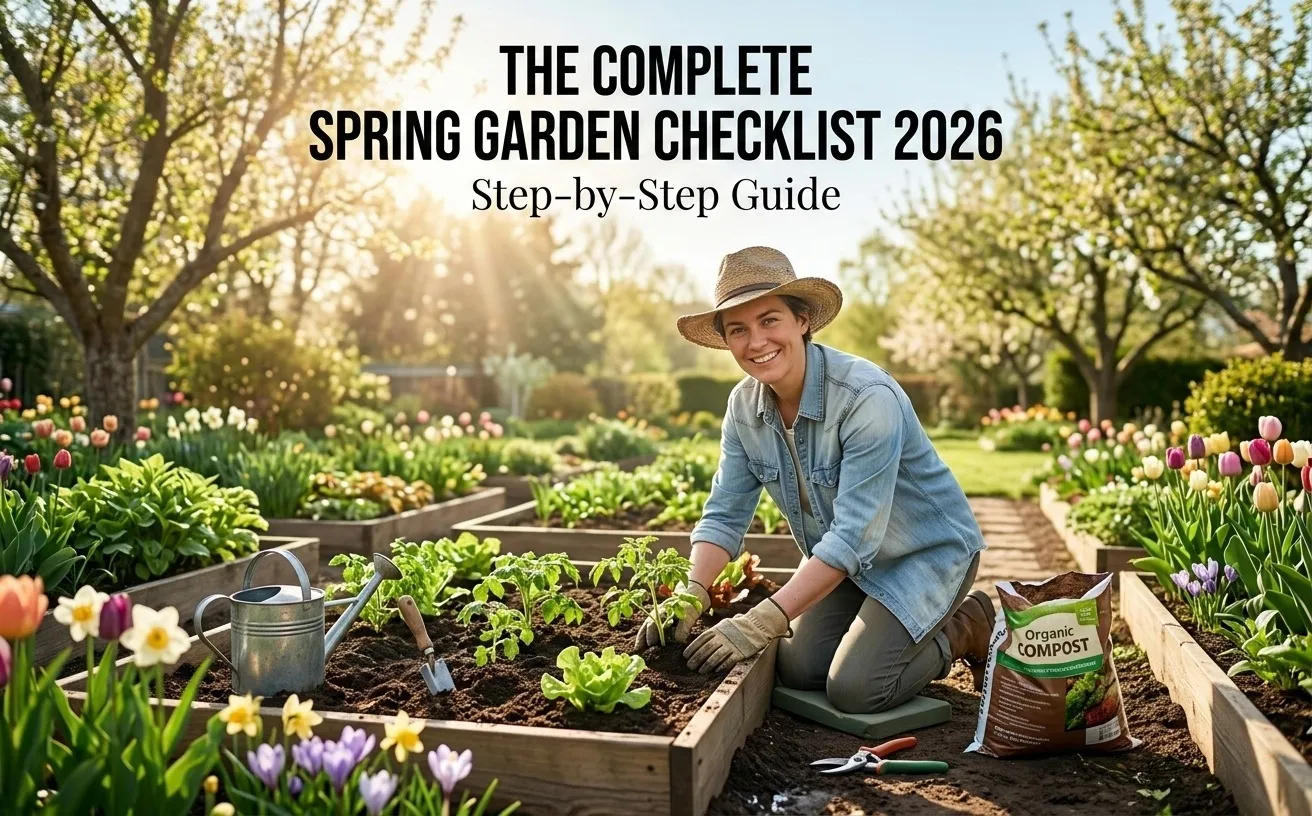
And waking up to the first rays of March sun, only to take a stroll in a winter-ravaged yard can be demoralizing. You look upon the matted leaves, Spring Garden Checklist stalks and the question strikes: Where do I start? There’s often a sense of “spring paralysis” for a lot of gardeners, with lots to do but no clear path to reach it. Without an organized plan, it’s all a little too easy to miss critical spots for pruning or amending the soil, resulting in stunted growth and avoidable pest problems later in the summer.
In this comprehensive guide, you’ll learn precisely what steps to take to move your plot from winter dormancy into a thriving sanctuary of 2026. We’ve collected the current trends in horticulture—everything from climate-resilient planting and smart soil management—and compressed it into a 4,000+ word explainer that makes sure no petal goes unturned. Whether you’re Zooming your way through a balcony in London, monitoring the vagaries of the weather for a suburban plot in Toronto or crafting something on a homestead here in the US, this guide provides the clarity you are craving.
The 2026 Mindset: “Lemonading” Your Garden
In 2026, gardening isn’t just about aesthetics — it’s about resilience.
This year is defined by “Lemonading”: turning climate challenges — unpredictable weather, drought, heavy rain, shorter frost windows — into opportunities to build stronger, more beautiful ecosystems.
Instead of fighting nature, gardeners are designing with it:
- Drought-tolerant planting
- Living soil foundations
- Biodiversity-driven layouts
- Edible landscaping
- Native plant corridors
Purposeful planting is the future — and it starts now.
Phase 1: Hardscape & Tool Reset (Late Winter / Early Spring)
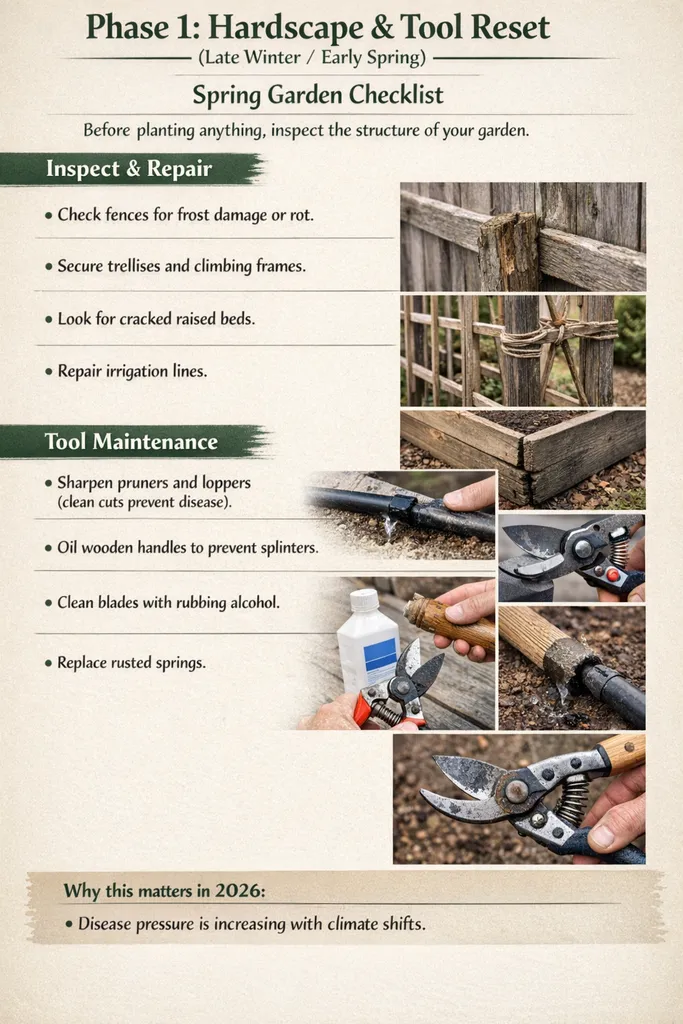
Before planting anything, inspect the structure of your garden.
Inspect & Repair
- Check fences for frost damage or rot.
- Secure trellises and climbing frames.
- Look for cracked raised beds.
- Repair irrigation lines.
Tool Maintenance
- Sharpen pruners and loppers (clean cuts prevent disease).
- Oil wooden handles to prevent splinters.
- Clean blades with rubbing alcohol.
- Replace rusted springs.
Why this matters in 2026:
Disease pressure is increasing with climate shifts. Clean, sharp tools are no longer optional — they’re preventive care.
Phase 2: Soil & “No-Dig” Foundations
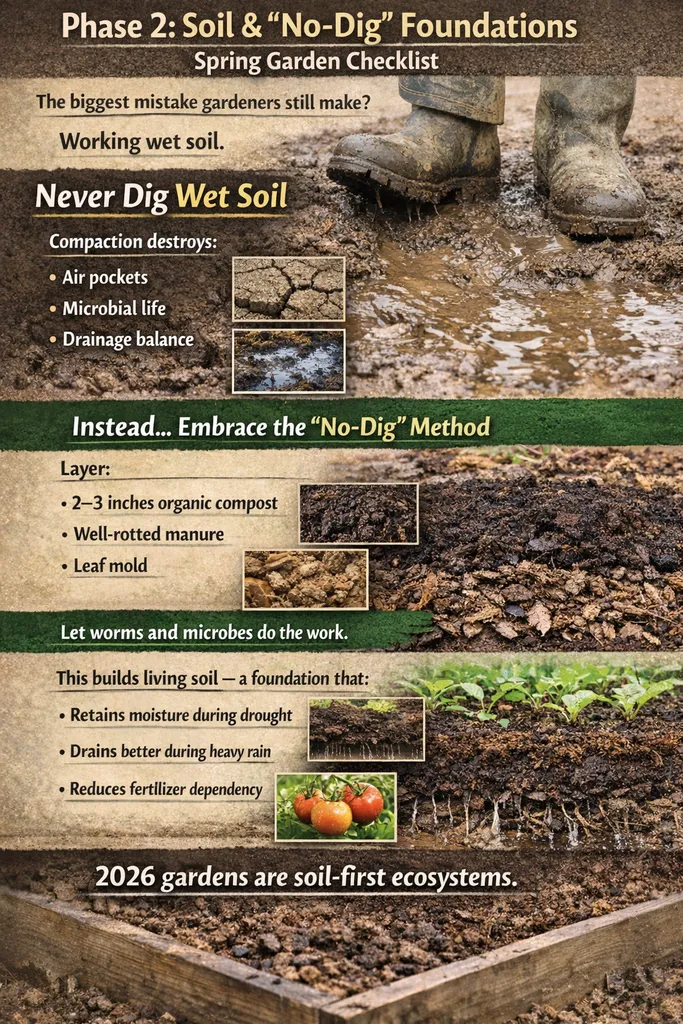
The biggest mistake gardeners still make?
Working wet soil.
Never Dig Wet Soil
Compaction destroys:
- Air pockets
- Microbial life
- Drainage balance
Instead…
Embrace the “No-Dig” Method
Layer:
- 2–3 inches organic compost
- Well-rotted manure
- Leaf mold
Let worms and microbes do the work.
This builds living soil — a foundation that:
- Retains moisture during drought
- Drains better during heavy rain
- Reduces fertilizer dependency
2026 gardens are soil-first ecosystems.
Phase 3: Strategic Pruning (Timing Is Everything)
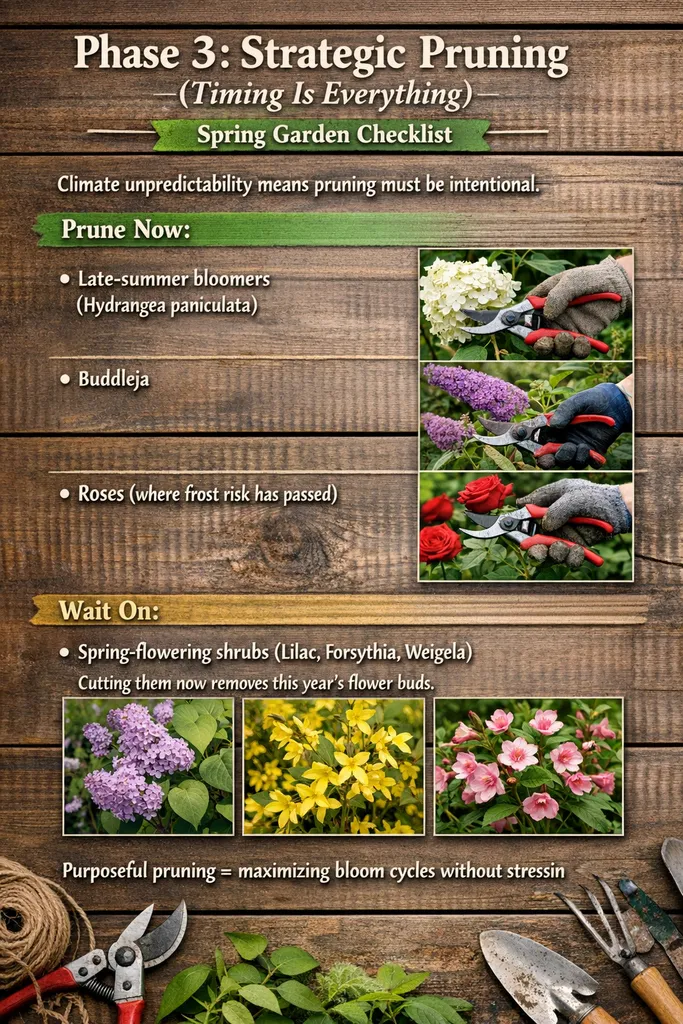
Climate unpredictability means pruning must be intentional.
Prune Now:
- Late-summer bloomers (Hydrangea paniculata)
- Buddleja
- Roses (where frost risk has passed)
Wait On:
- Spring-flowering shrubs (lilac, forsythia, weigela)
Cutting them now removes this year’s flower buds.
Purposeful pruning = maximizing bloom cycles without stressing plants.
Phase 4: Biodiversity & Edible Integration
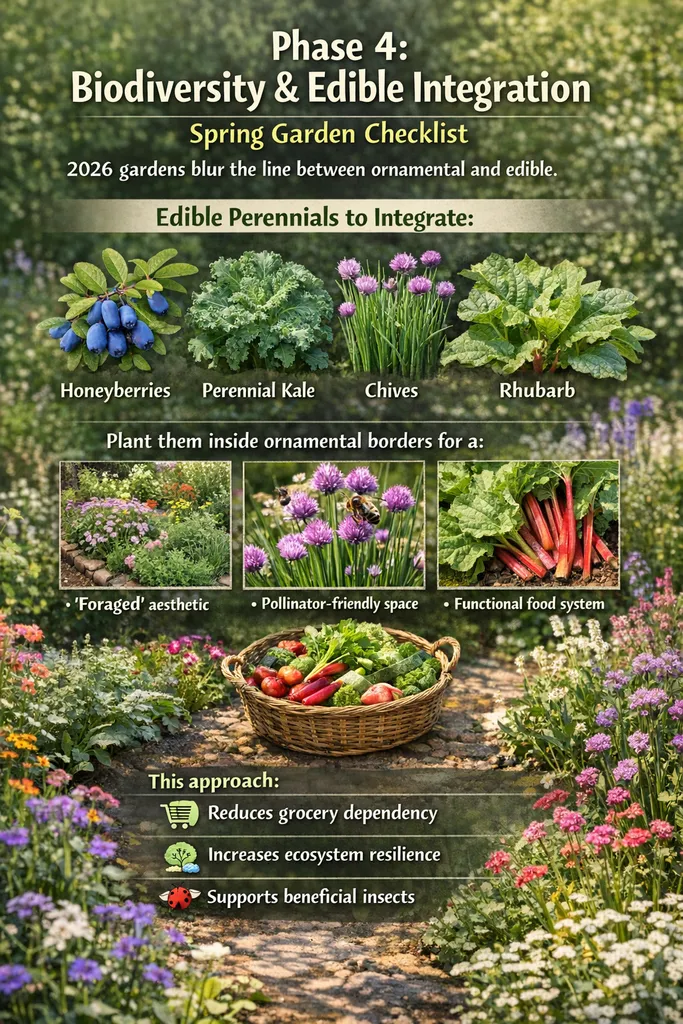
2026 gardens blur the line between ornamental and edible.
Edible Perennials to Integrate:
- Honeyberries
- Perennial kale
- Chives
- Rhubarb
- Sorrel
Plant them inside ornamental borders for a:
- “Foraged” aesthetic
- Pollinator-friendly space
- Functional food system
This approach:
- Reduces grocery dependency
- Increases ecosystem resilience
- Supports beneficial insects
Regional Specific Strategies (US, UK, Canada)
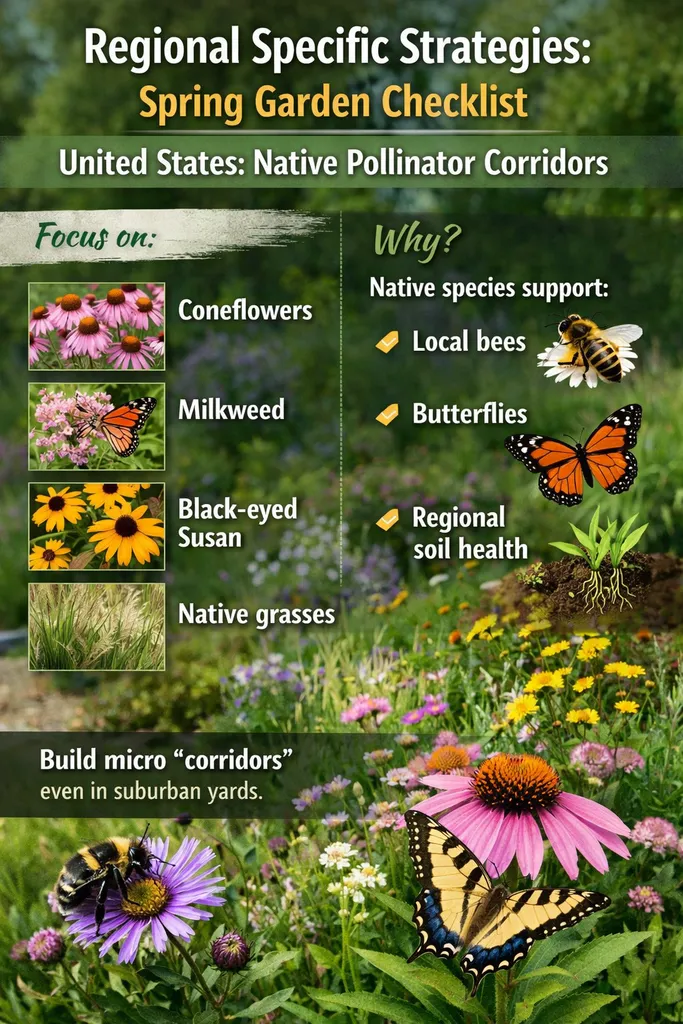
United States: Native Pollinator Corridors
Focus on:
- Coneflowers
- Milkweed
- Black-eyed Susan
- Native grasses
Why?
Native species support:
- Local bees
- Butterflies
- Regional soil health
Build micro “corridors” even in suburban yards.
United Kingdom: Lasagna Planting for Containers
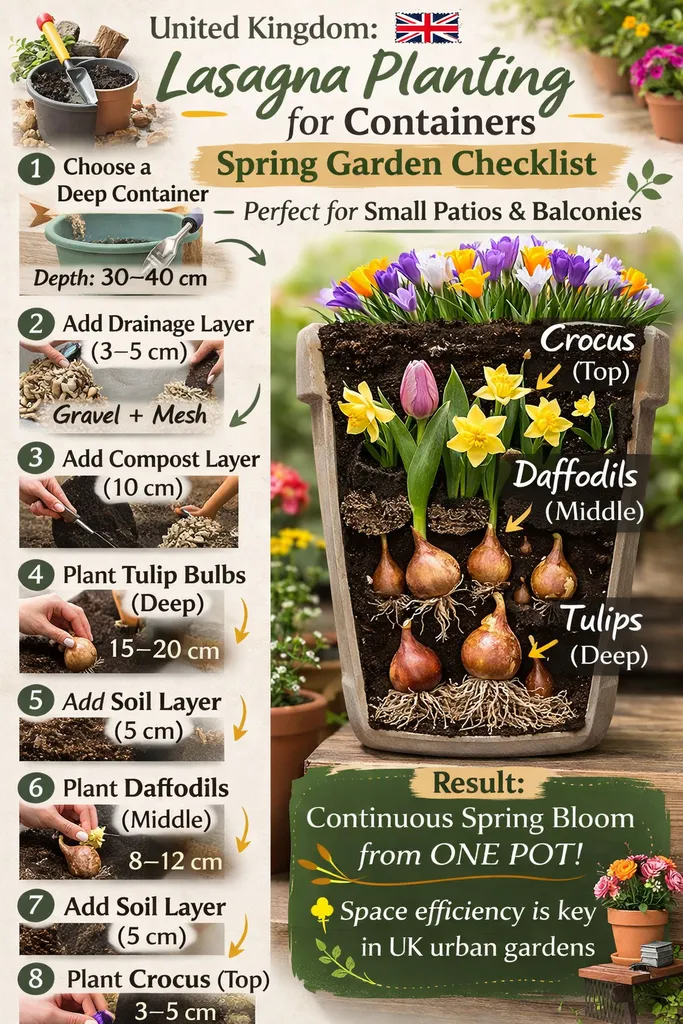
Perfect for small patios and balconies.
Layer bulbs in containers:
- Tulips (deep)
- Daffodils (middle)
- Crocus (top)
Result:
Continuous spring bloom from one pot.
Space efficiency is key in UK urban gardens.
Canada: Soil Warming & Season Extension
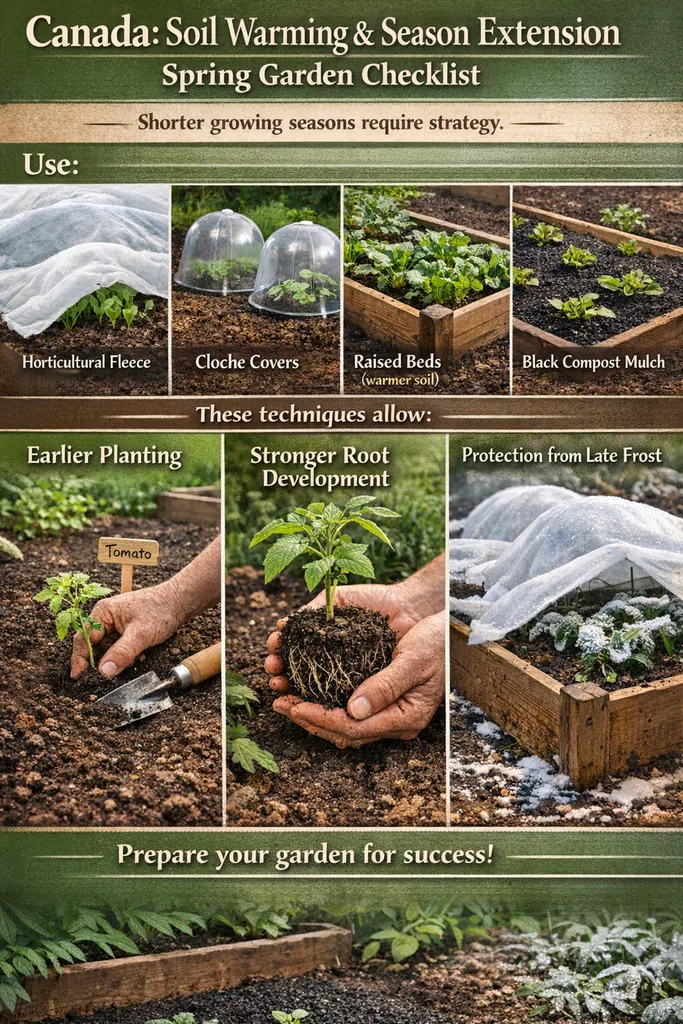
Shorter growing seasons require strategy.
Use:
- Horticultural fleece
- Cloche covers
- Raised beds (warmer soil)
- Black compost mulch
These techniques allow:
- Earlier planting
- Stronger root development
- Protection from late frost
The Big Shift: Gardens as Micro-Ecosystems
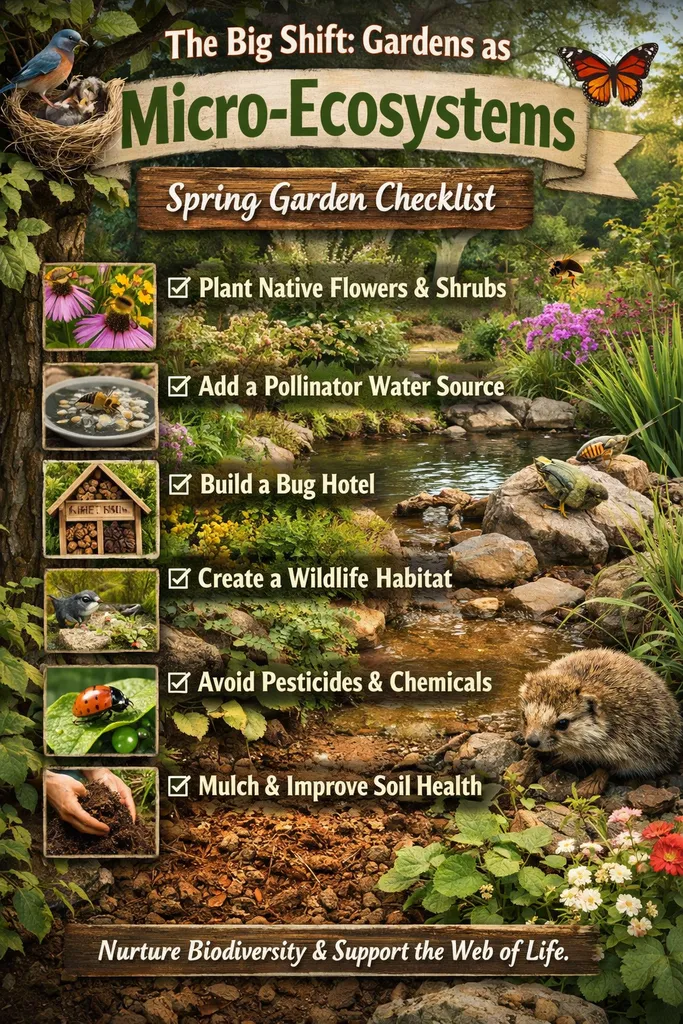
The 2026 gardener is:
- Climate-aware
- Biodiversity-driven
- Soil-focused
- Efficiency-minded
Purposeful planting is not a trend.
It’s a response to environmental reality.


FAQ
- When should I start my spring cleanup?
- Wait until temperatures are consistently above 50°F (10°C) to protect overwintering beneficial insects.
- Can I prune my roses in early spring?
- Yes, late February to March is ideal for most varieties before new growth begins.
- What are “honeyberries”?
- A 2026 trend-topping “superfruit” similar to blueberries but hardier and easier to grow.
- Is “no-dig” gardening better?
- Yes, it preserves soil structure and prevents dormant weed seeds from surfacing.
- How do I handle spring frost?
- Keep horticultural fleece or cloches ready to cover tender new shoots during unexpected cold snaps.
- What is the “2026 Color Palette”?
- Expect moody, natural tones like burnt terracotta, plum, and deep forest greens.
- How do I test my soil at home?
- Use a simple pH kit or observe plant health; yellowing leaves often signal nutrient deficiencies.
- Which vegetables grow best in spring?
- Cool-season crops like peas, lettuce, radishes, and spinach.
- Should I use pesticides?
- 2026 trends favor “land stewardship,” encouraging natural pest control like ladybugs over chemicals.
- How can I save water?
- Install a rain barrel now to catch spring showers for the drier summer months.
- Why is my lawn patchy?
- Likely winter kill or compaction; aerate and over-seed with a climate-resilient mix.
- Can I garden in small spaces?
- Absolutely. Vertical gardening and “tabletop” vegetable
Final Verdict
The gardening season of 2026 is not about “perfection,” but connection. By working through this comprehensive checklist, you aren’t merely tidying up a yard; you are stewarding a mini-ecosystem that benefits your mental health and local wildlife. This year, a successful bounty starts with some early preparation and selecting plants that better cooperate with your local environment as opposed to working against it. Whether you are introducing a few pots to a patio or redesigning an acre, these chores will ensure that your garden is resilient, productive and beautiful for the months ahead.

Leave a Reply